Why is it called the “toilet bowl of the Discovery Islands?”
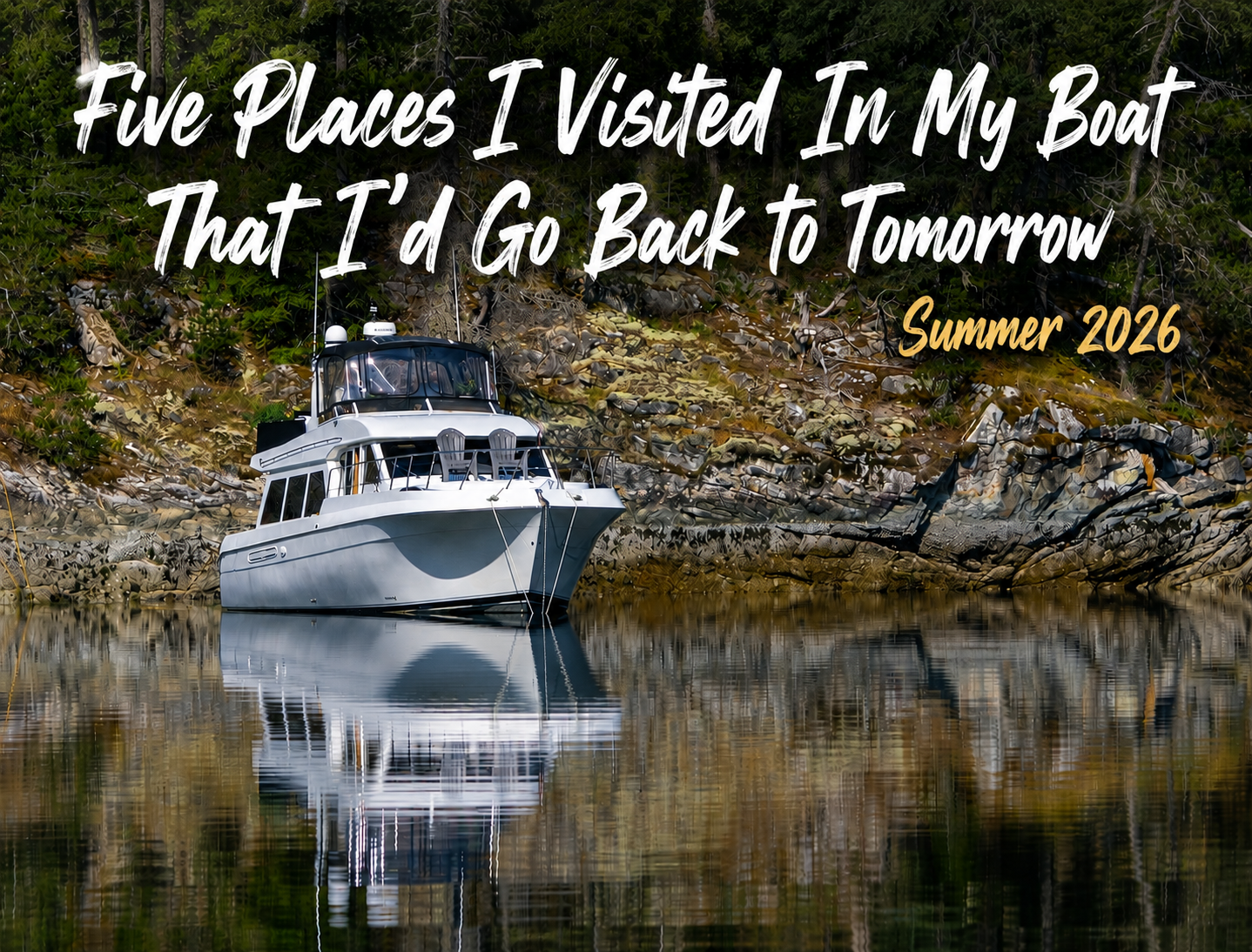
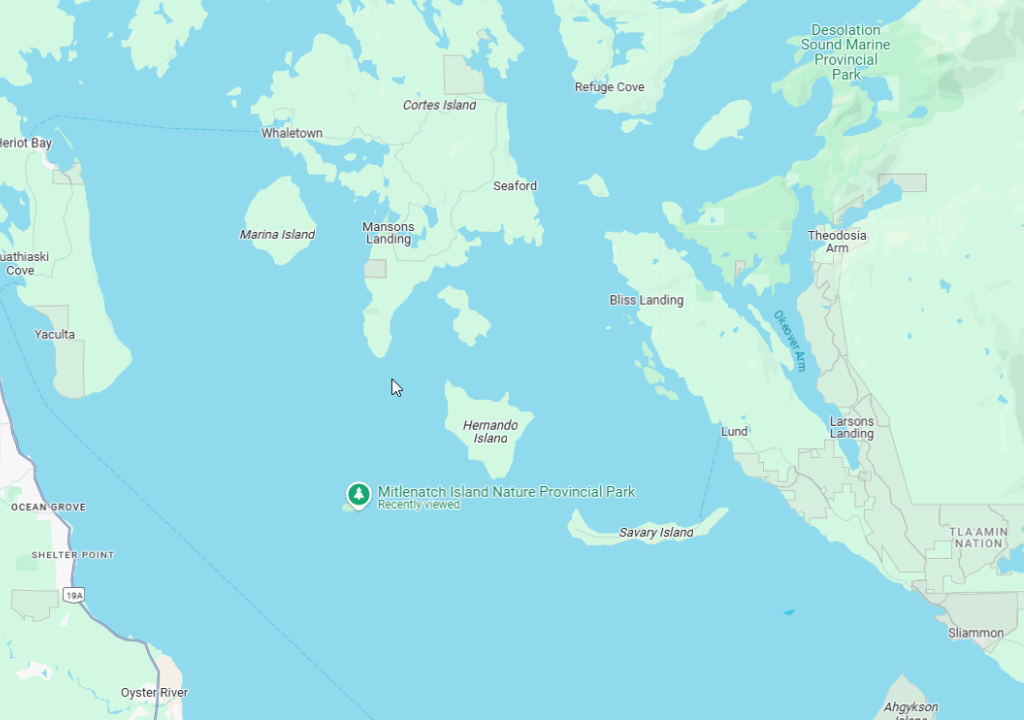
Today I took my dinghy from Cortes Bay to Mitlenatch Island. Tucked between Vancouver Island and the mainland, Mitlenatch Island aptly lives up to its playful nickname — “the toilet bowl of the Discovery Islands.” Rough seas swirl around the rocky crags, making this one of BC’s most magical wild wonders — a treat for birdwatchers, botanists, and the nature curious alike.
🌊 Calm Behind, Chaos Around
Mitlenatch, from Coast Salish, means “calm waters all around.” Locals often giggle at the literal Sliammon version: “calm waters behind” — hints at how it lies in a gentle lee while rough currents swirl outside. Cruise close and the island looks friendly, but boaters know the joke: hit the bowls beyond and you could be doing somersaults.
🐦 Seabird Superhighway
This protected area is 155 hectares (380 acres) in size, with 36 hectares (89 acres) being upland and 119 hectares (290 acres) foreshore area, and it is BC’s largest seabird colony in the Strait of Georgia. The cliffs host thousands of nesting birds:
- Glaucous-winged Gulls: Over 1,000 breeding pairs intensely patrol their turf come April — and their squawk party lasts till August.
- Pelagic Cormorants: About 250 pairs craft nests of seaweed and guano on narrow cliff ledges.
- Double-crested Cormorants, Pigeon Guillemots, Black Oystercatchers, Northwestern Crows, rhinoceros auklets and more— oh my!
From the bluff’s bird blind, you can catch the gulls’ morning roll-call, feeding frenzy, or terrifying predator alerts — super fun and slightly unnerving.
🌸 Wildflowers & Western Wonders
Despite its northern latitude, Mitlenatch sits in the rain shadow of Vancouver Island — the driest season brings just around 30 inches instead of the typical 60 inches. That turns the island into a botanical delight:
- Cacti: Low-water champ prickly pear cacti bloom with tiny yellow flowers — mid- to late June is cactus season, baby!
- Meadow galas include purple camas, chocolate lilies, tiger lilies, fawn lilies, shooting stars, wild onions, bluebells, brodiaea, stonecrops, monkeyflowers, and fireweed.
From late April to July, it’s like crashing a botanical circus in the Salish Sea!
Marine Mammal Meet-up
Circle by boat and keep a lookout. Mitlenatch is a wildlife lounge:
- Harbour Seals pup ashore each summer.
- Sea lions (California & Steller’s) haul out in late autumn through spring.
- River otters, harbour porpoises, and even transient killer whales sometimes buzz nearby to hunt.
🐍 Garter Snakes & Beachscapes
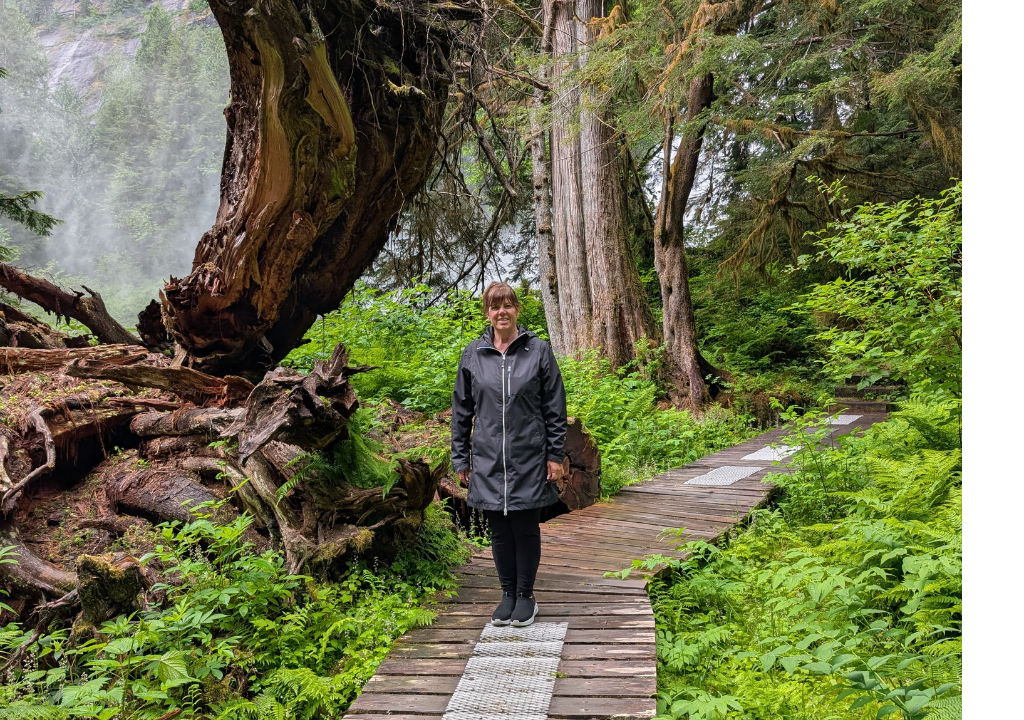
Hike the short trail from Camp Bay to Northwest Bay and East Hill — stay on the trail as there is no wandering allowed. You might meet some hefty residents:
- Western Terrestrial Garter Snakes, some of which can reach up to 90 cm in length, are often spotted sunbathing near the shoreline. They dine on fish, frogs, slugs, and even the occasional tadpole. While they can bite if startled, they’re not dangerous to humans—more drama than danger.
You might also catch sight of basking crabs, sea stars, and rockfish—thanks to the island’s marine reserve, which extends 300 m offshore, the waters remain beautifully pristine. The waters remain pristine because the marine reserve limits human activities, such as fishing, harvesting, and anchoring. That protection allows marine life to thrive, habitats to recover, and keeps the ecosystem healthy and balanced. No overfishing, no dragging anchors through fragile kelp beds, no disturbing the seabed — just nature doing her thing.
🛡️ Stewardship in Action: Meet MIST
Humans play a big part in sustaining Mitlenatch’s magic. Enter the Mitlenatch Island Stewardship Team (MIST):
- Founded in 2010, MIST supports BC Parks via 70–80 visionary volunteers each year.
- Volunteers cabin in driftwood huts — patrolling, instructing visitors to stay on trails, and leading informal tours.
- They run at least 8 scientific monitoring programs:
- eBird bird counts, beach-washed bird carcass surveys
- Plant phenology tracking ~25 wildflowers
- Intertidal community and sea-star-wasting surveys
- Eelgrass bed mapping and cetacean/turtle logging
- Invasive species removals of Himalayan blackberry & sedum
Annual budgets of approximately $12,000 (excluding volunteer labour) are primarily raised through the BC Parks Foundation — every dollar funds cabins, boats, bins, or bird blinds. Visit their website to donate!
🚫 Right Now—What You Can Do (As a Kind Boater & Blog Reader)
- Visit mindfully: Dock only at Camp or Northwest Bays, hug the trail, leave nothing behind.
- Chat with volunteers: They love to share birdie tales, snail counts, and plant lore.
- Donate or volunteer: MIST needs funds for gear and small cabin upkeep — support the squad keeping this island pristine.
- Spread the word: Post pics, share blog posts, whisper sweet stewardship tips to fellow boaters.
From the deafening gull concerts at sunrise, to the secret trails full of orchids and tiny cacti, to the volunteers bunking in driftwood huts — this is natural-world immersion at its finest.
See you at the turn of the tide between bird squawks and sunbathing snakes!
— Missy 🐶💨