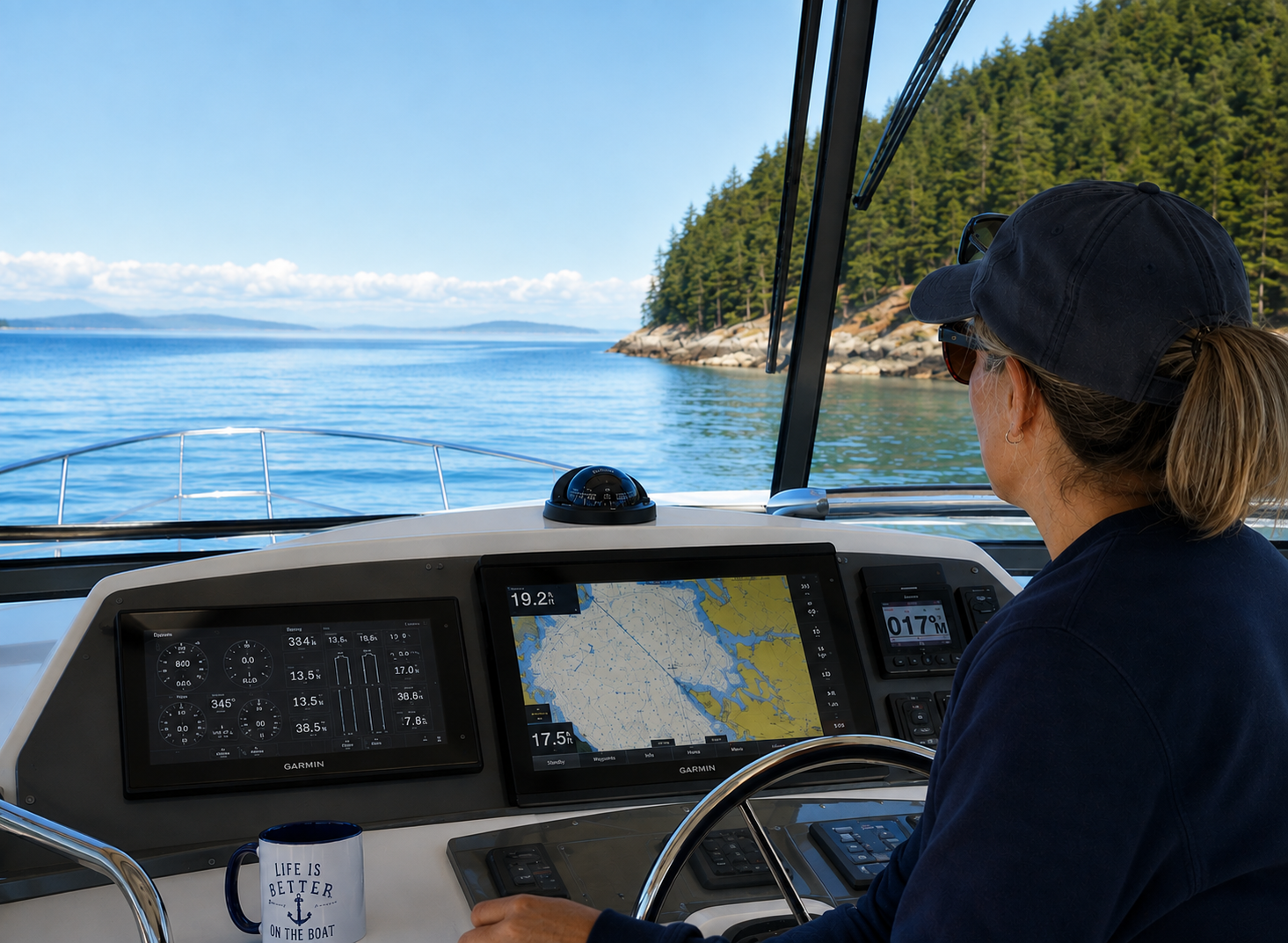
Anchored in the serene embrace of Cameleon Harbour, Sonora Island, I was enjoying a picture-perfect West Coast afternoon. Calm waters, towering trees, not a soul around—just the kind of tranquillity that makes boat life so intoxicating. That is, until I noticed something very untranquil: a puff of white smoke curling out of my generator exhaust.
This experience would later become known as The Day a Jellyfish Tried to Kill My Generator, a tale that reflects the unpredictable nature of boating adventures and the challenges we face on the water.
Now, white smoke is the generator’s equivalent of a dramatic cough. It usually means the poor thing is overheating, and sure enough, that’s exactly what was happening. I immediately shut it down and headed below deck, channelling my inner marine mechanic.
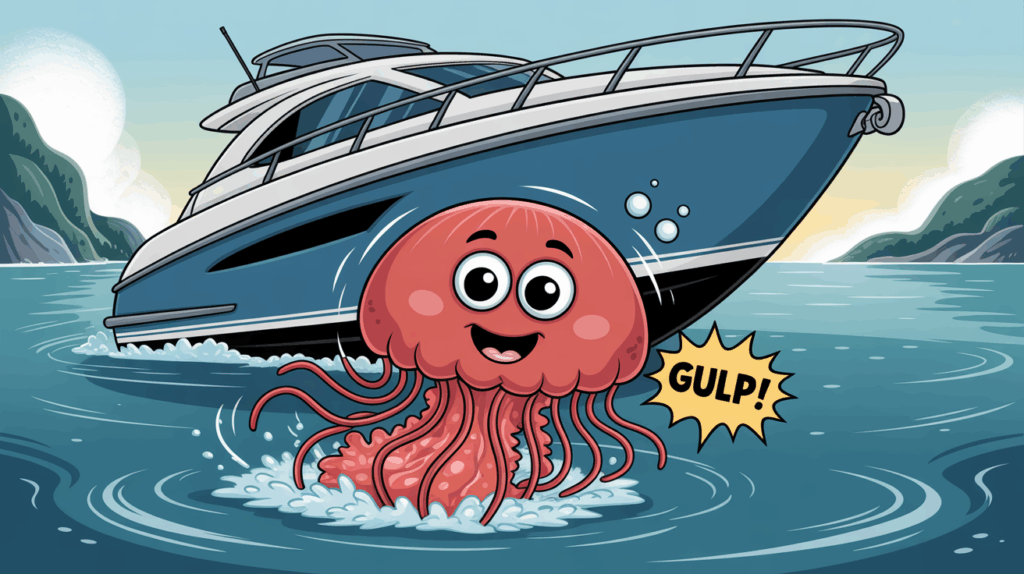
I popped open the sea strainer, and there it was—a gooey, red, gelatinous blob that used to be a red Lion’s Mane jellyfish. Actually, make that multiple lion’s manes. The sea strainer looked like a cross between a horror movie prop and a jam-making experiment gone terribly wrong.
For those unfamiliar, Lion’s Mane jellyfish are the largest species in our waters. They have no brain, no spine, and no plan—just a floaty blob of stinging tentacles that drifts with the tide, occasionally ruining a boater’s afternoon. Think of them as the sentient equivalent of a wandering shopping bag, except filled with slime and spite.
It took me two hours with a shop vac to suck out all the goo. I was practically arm-deep in jellyfish Jell-O. Every time I thought I had it cleared, more emerged like some gelatinous horror movie sequel. I restarted the generator, only to encounter a low coolant flow error. Translation: still blocked.
More vacuuming. More muttering. More jelly.
Eventually, after what felt like a full spa treatment for the generator, it started up again without a puff of smoke. Sweet victory! However, just to be safe, I decided to head to Campbell River and have a professional inspect the impeller and give everything a thorough once-over. Note to self, jellyfish are not on the list of recommended cooling agents for diesel generators.
For the technically curious: your boat’s generator uses seawater to cool down the engine coolant, which keeps the engine from overheating. If that raw water intake gets blocked—say, by a particularly determined jellyfish—the system can’t cool down, and your generator starts to overheat, fast. I noticed mine was overheating before the sensor detected it; most generators will shut themselves down at a certain point.
This whole ordeal got me wondering: Is there a good time to run your generator in a jellyfish-prone cove? Jellyfish tend to drift with the current and are more likely to be near the surface during tidal exchanges. So, running your generator during slack tide or when the current is moving jellyfish out of the cove might give you a fighting chance. No guarantees, though—jellyfish don’t exactly RSVP.
The moral of the story? If your generator starts smoking, it might not be a mechanical failure—it could be a result of seafood. Always check your sea strainer, keep a vacuum handy, and maybe consider running your generator when the jellyfish aren’t having a pool party around your hull.
I came to Sonora for peace and quiet. I left with a crash course in gelatinous marine sabotage.
Next stop: Campbell River. And possibly a jellyfish exorcism.
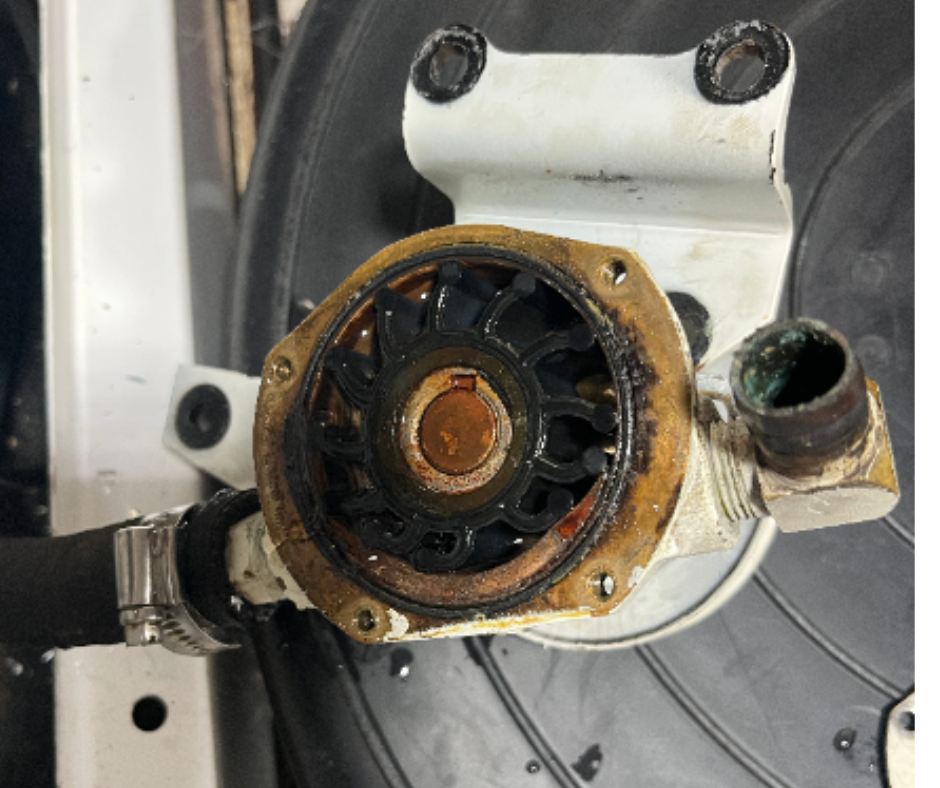
Boating teaches you patience, problem-solving, and how to battle jellyfish with a shop vac. That red gelatinous mess reminded me that even in paradise, surprises lurk below the surface. The generator survived, the impeller got checked, and I’ve added “jellyfish patrol” to my anchorage routine. On the water, every day’s an adventure… and sometimes, a cleanup mission.