The Truth About the Gray Stuff on Salmon
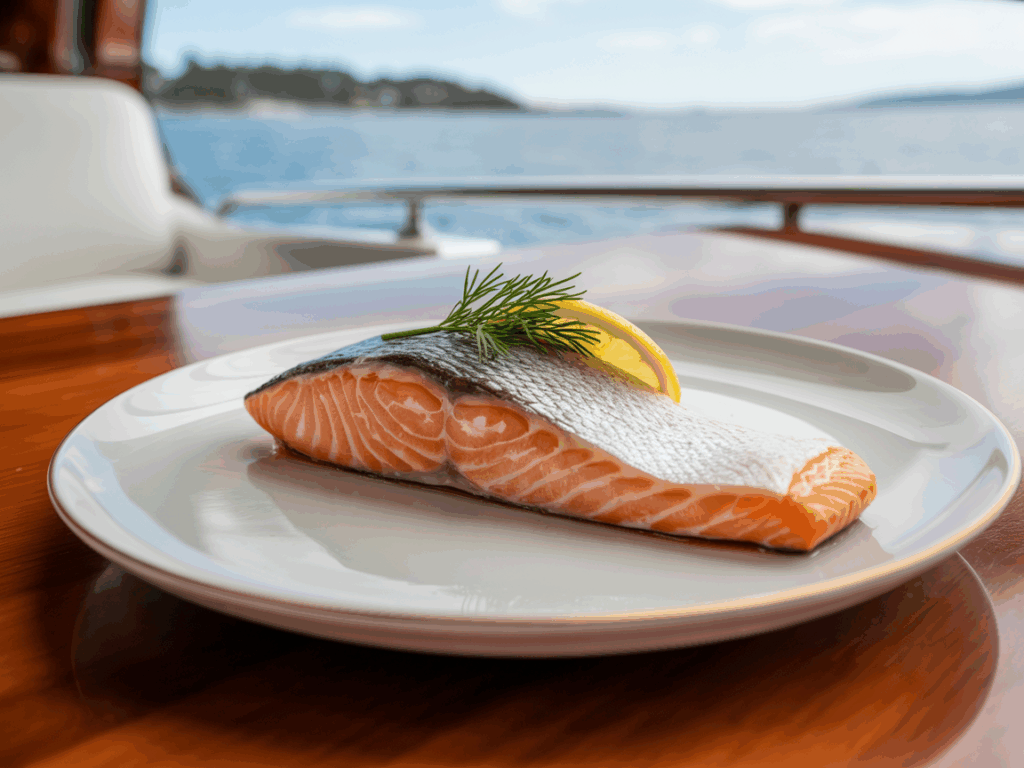
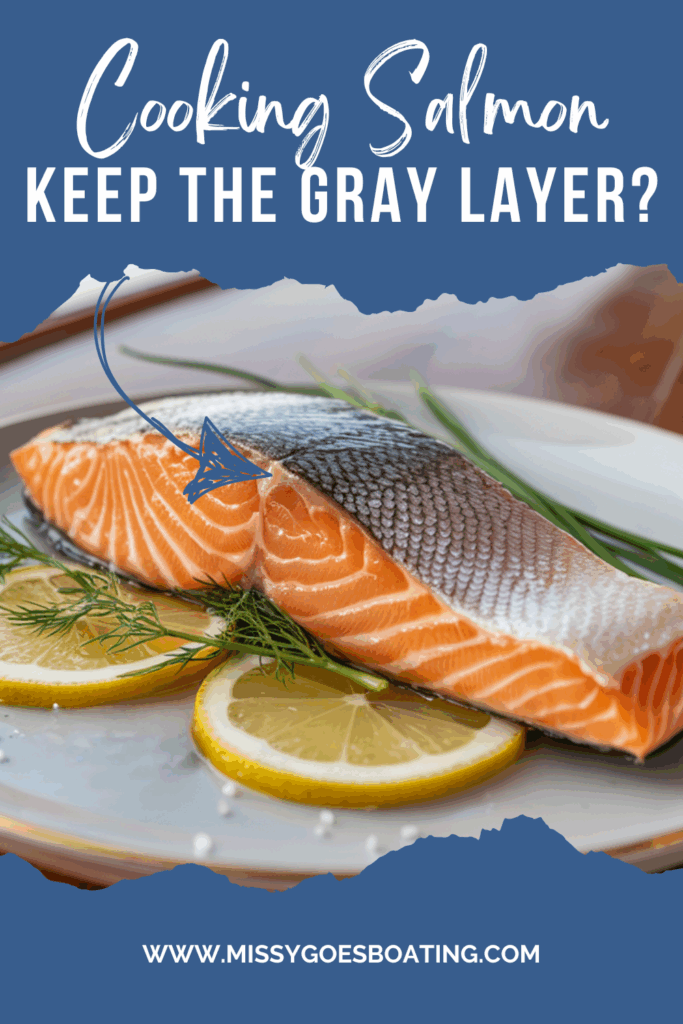
If you’ve ever cooked salmon and noticed that thin gray layer between the skin and the pink flesh, you may have wondered, “Should I eat that?” Is it safe? Is it…gross? Let’s clear things up, because that gray stuff is actually one of the most interesting (and misunderstood) parts of the fish.
That silvery-gray band is a fatty muscle layer rich in omega-3 fatty acids, the same healthy fats that make salmon famous for heart health, brain function, and glowing skin. It doesn’t turn pink because it’s naturally lower in astaxanthin, the pigment responsible for salmon’s rosy hue.
Here’s the catch: this layer also happens to be the most nutrient-dense part of the fish. It holds more fat and therefore more omega-3s than any other section. Those good fats are the reason salmon sits at the top of every “superfood” list. So, nutritionally speaking, the gray layer is pure gold (or silver, technically).
But what about flavour? That’s where opinions get divided at the dinner table. The gray part of wild salmon tends to have a stronger, oilier taste, sometimes described as “fishier.” Some people love it; others prefer to trim it off. A quick trick: if you crisp the skin properly and season it well, that gray layer practically melts into the fillet, adding richness without overpowering the flavour.
However, and this is important, farmed salmon can be a different story. Because these fish are raised in contained environments and fed formulated diets, the fat layer may accumulate trace contaminants such as PCBs or dioxins, especially if the feed isn’t sustainably sourced. Many reputable farms have improved dramatically in recent years, but if you want to play it safe, choose wild-caught Pacific salmon (hello, West Coast pride!) or look for Ocean Wise and MSC certifications when buying farmed varieties.
So, the next time you cook salmon, think twice before scraping off that gray layer. It’s not a flaw, it’s where the good stuff lives. As with most things in life (and boating), a little knowledge and a little care in sourcing makes all the difference between what you toss and what you treasure.
So What’s the Best Salmon to Eat?
In the Pacific Northwest, the debate over the best-tasting salmon can get almost as heated as the grill, but most chefs agree that Chinook (King) salmon reigns supreme when it comes to pure flavour. Known for its buttery texture, high fat content, and rich, almost velvety taste, Chinook is the showstopper of the salmon world. Sockeye, on the other hand, delivers that deep red colour and a bolder, more robust flavour, fantastic for grilling or cedar-plank cooking when you want the salmon to really stand out. Coho falls somewhere in between, lighter and more delicate, ideal for pan-searing or poaching. Professional chefs often choose Chinook for fine dining, but many home cooks love Sockeye for its consistent texture and punchy flavour. In truth, there’s no wrong choice, just the right salmon for the meal you’re making.
White salmon, also called ivory Chinook, tastes different because it lacks astaxanthin, the natural red-orange pigment that gives most salmon their colour. That pigment also subtly affects flavour; without it, the fish’s taste shifts from rich and meaty to milder, creamier, and more delicate.
Interestingly, ivory Chinook often has slightly higher fat and oil content, which gives it a buttery, almost melt-in-your-mouth texture that chefs adore. It’s less “fishy,” more luxurious, and pairs beautifully with bright flavours like lemon, dill, or miso. In short, it’s the quietly elegant cousin of the classic red salmon, rarer, paler, and unforgettable on the plate.
Tips for Cooking Salmon Like a Pro
1. To Start.
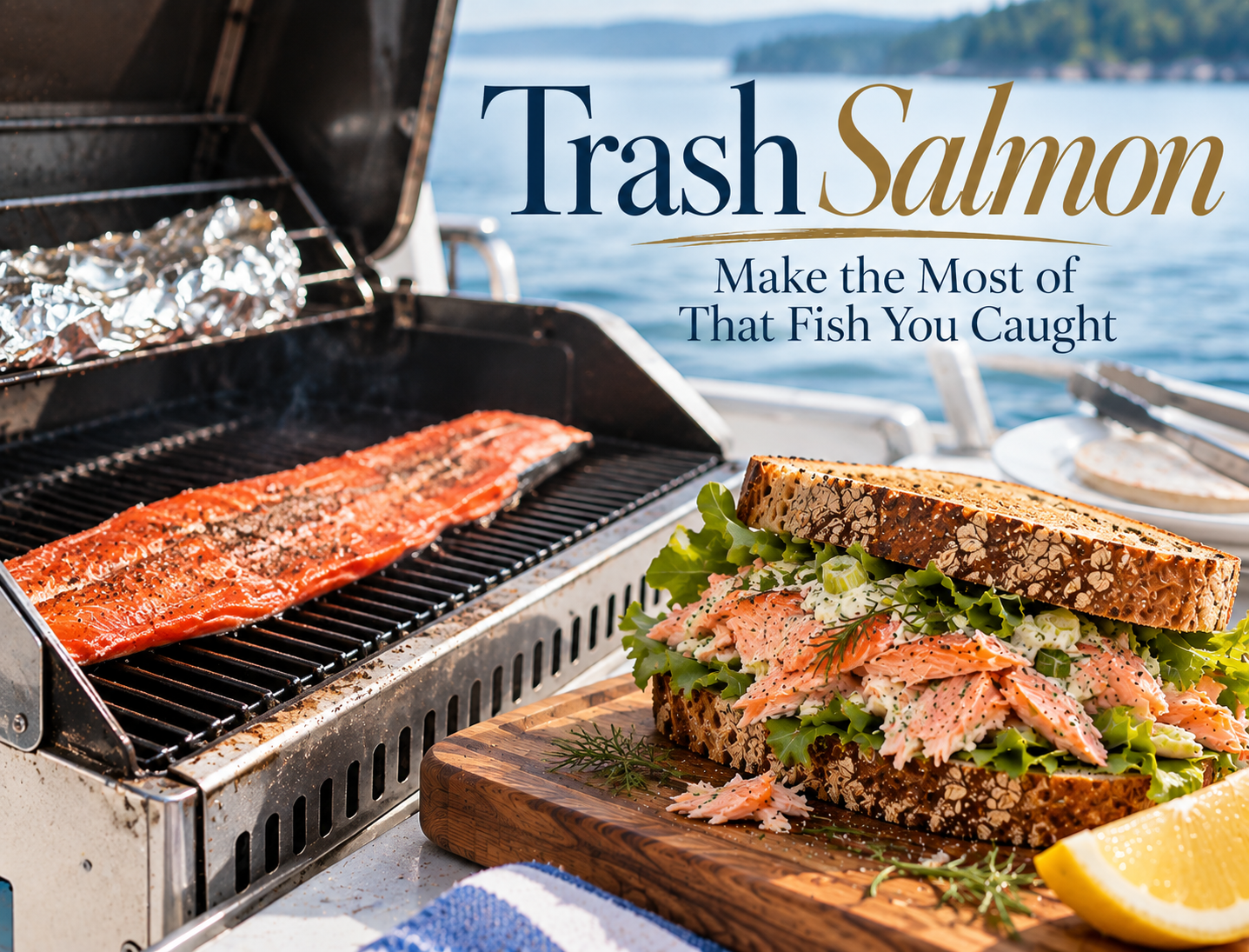
Pat the salmon dry. Sprinkle the flesh or pink side of the salmon with sea salt, and sear for 1 minute in a frying pan or on the barbecue, then flip to the skin side to finish cooking. This locks in the flavour.
2. Crisp is King.
If you’re leaving the skin (and that lovely gray layer) on, make it count. Cook skin-side down in a hot pan with a touch of olive oil. Don’t touch it, let it sizzle until the edges look golden and the skin releases easily. You’ll get that irresistible crackle everyone fights over.
2. Season Simply, Finish Boldly.
Good salmon doesn’t need a complicated marinade. A sprinkle of sea salt, a grind of pepper, and a squeeze of lemon go a long way. Finish with a brush of brown butter glaze, a drizzle of herb butter, or a few flakes of sea salt for restaurant-level elegance.
Next time you’re cooking salmon, try a little experiment: leave the gray layer on one piece and trim it off the other. Taste them side by side and see if you notice a difference. You might find that the gray adds a richer, more distinct flavour, or you might prefer the cleaner taste without it.
If you’d rather remove it, you can do that before or after cooking. When the fish is still cold and firm, use a sharp knife to slide between the flesh and the skin, keeping the blade flat so the gray layer comes away cleanly. If you’re grilling or pan-searing, it’s better to leave the skin on while cooking, as it keeps the salmon moist and helps it lift off easily once cooked. Either way, you’ll learn what you like best, and that’s the real secret to cooking great salmon.