Why December and January Can Be One of My Favourite Times on the Water
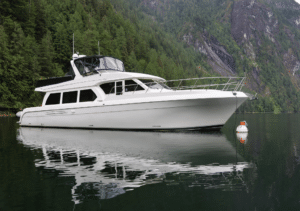
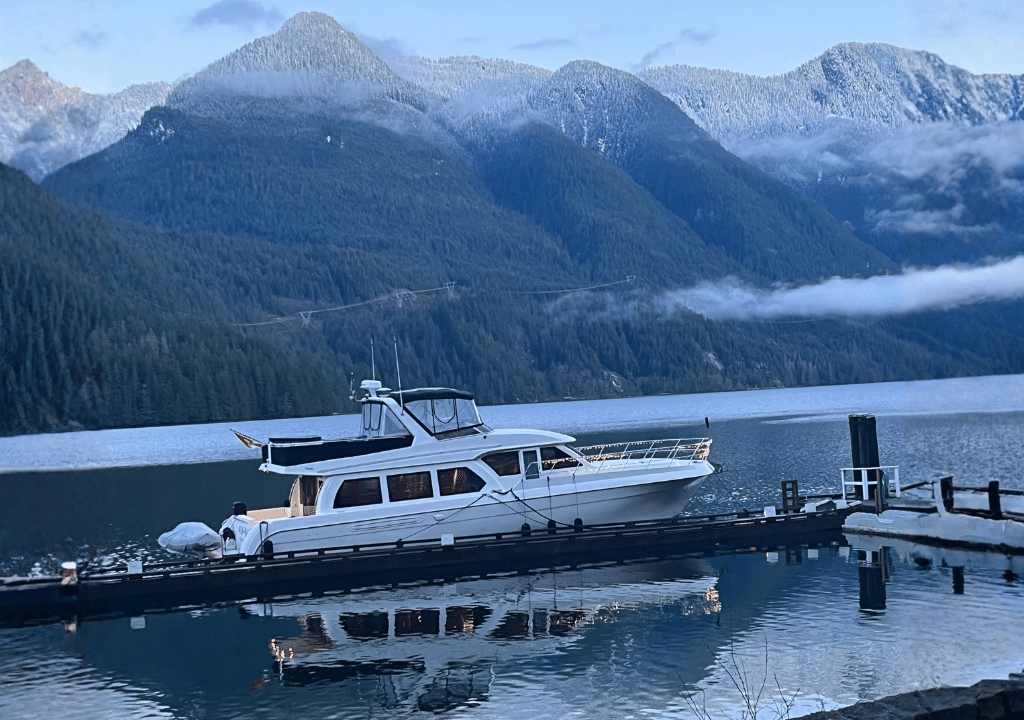
There’s a special kind of magic that settles over the Pacific Northwest in winter. Not the peppermint-latte-in-a-crowded-mall kind of magic, no, I mean the quiet, cinematic kind that appears when you untie the dock lines in December or January, breathe that crisp salt air, and realize no one else is out here.
Winter boating in the Pacific Northwest isn’t for everyone… which is probably why I love it. The marinas are hushed, the waterways are blissfully empty, and the Gulf Islands feel like your own private archipelago. If summer is a lively cocktail party, winter cruising is that perfect, quiet dinner with friends where everyone talks softly, and the scenery does the heavy lifting.
I’ve been heading out in the cooler months for the last four years, and each time I’m reminded: the PNW saves its most magical moments for those willing to zip up an extra layer. Let’s talk about how to make winter boating not only doable, but deeply enjoyable, elegant even.
Why Winter Cruising in the Pacific Northwest Is Secretly the Best Season (Yes, Really)
Here’s the truth: most boaters tuck their vessels in for the winter the second the calendar flips to October. Meanwhile, the rest of us are pointing our bows toward Gabriola, Bowen, Salt Spring, or the San Juan Islands with our coffee steaming in the galley and a smug little grin on our faces.
Because winter in the Pacific Northwest offers what July never will:
- Empty marinas
- Flat-calm water on windless days
- Wildlife close encounters (harbour seals clearly aren’t on winter break)
- A front-row seat to storm watching from the safety of your salon, of course
- Cool temperatures that keep the crowds away
Dress Warm, Plan Smart, Cruise Happy: Winter Boating Essentials
Let’s get this out of the way: winter boating is glorious because you prepare for it. Think elegant practicality, not survivalist chic.
Layers Are Your Love Language
Hemp wool is my winter co-captain. It is a fibre that is processed into a soft, yarn-like material that mimics wool’s insulating, breathable and moisture-wicking qualities. It is sustainable and has natural antimicrobial properties that resist odour and pilling. It keeps you warm without that bulky “I’m dressed like the Michelin Man” vibe. (Check out Erin’s blog, My Green Closet, for a full list of Canadian companies). Add a windproof jacket, a neck warmer, and insulated gloves for dinghy rides ashore.
My Top 10 Winter Boating Wardrobe Essentials
- Helly Hansen Long Coat – My ride-or-die winter layer. Long enough to cover my butt on the edge of the dinghy, waterproof enough to laugh at sideways rain, and stylish enough that I pretend it’s runway-approved.
- Lightweight Puffer Vest – Perfect for that “just need a little warmth but still want to move like a normal human” moment. Great under a coat or over a turtleneck.
- Classic Turtlenecks – Warm, polished, and the backbone of winter layering. Black, navy, oatmeal, choose your fighter.
- Warm Tights + Waterproof Pants – A power duo. Tights for warmth, waterproof pants to block wind and spray. Together? Unstoppable.
- A Dickie (Yes, Really) -The unsung hero of the winter wardrobe. All the neck warmth without committing to a full sweater. It gives “functional chic.”
- Hemp Wool Base Layers – If winter cruising had a mascot, it would be sustainable wool. Temperature-regulating, non-itchy, and naturally elegant.
- A Chunky Knit Beanie – Preferably one that says “I didn’t try too hard,” but still keeps the heat in when you’re doing the 7 a.m. dog-ashore dinghy run.
- Touchscreen-Friendly Gloves – Because taking your gloves off in December to send a text is amateur hour. Warmth + weatherproofing + the ability to film a reel = perfection.
- Two-Piece Cotton Flannel Pyjamas – Nothing says winter cruising like climbing into flannel after a day on the water. Bonus: double as loungewear while the diesel heat kicks in.
- Slippers with Rubber Bottoms – Cozy inside, practical outside. I love slippers that can survive a quick step onto the deck without sacrificing toes to cold fibreglass.
BONUS – hand warmers or a rechargeable vest
Stay effortlessly warm all winter with this stylish, long heated vest featuring 10 targeted heating zones, a powerful 16,000mAh battery, and a sleek, weather-resistant design. Perfect for boaters, dog walkers, gunkholers, and anyone who wants customizable, all-day comfort in cold weather.

Heat Is Not a Luxury, It’s a Strategy
If you have diesel heat on board, that’s great. If you don’t, plug-in, oil-filled space heaters can work wonders at the dock. I also swear by:
- Hot-water bottles or microwaveable heat packs
- Throw blankets
- A ready stash of tea, cocoa, and Civilized Cocktail Hour ingredients
Winter boat life is 50% temperature management, 50% smug contentment.
This reusable hot and cold therapy pack is a winter-boater’s best friend, delivering instant, cordless warmth with organic oat-filled comfort that moulds to sore shoulders, chilled hands, and stiff muscles after a cold day on the water. Eco-friendly, family-approved, and effortlessly soothing aboard.

Plan for Early Darkness
When winter darkness settles in early, good lighting becomes your best friend on board. Replace the old “dinghy-yellow” bulbs with warm, energy-efficient LED lights in the salon, galley, and stateroom. They draw almost no power, they stay cool to the touch, and, most importantly, they let you actually see what you’re doing. Reading a novel, playing cards, journaling, chopping vegetables… all suddenly feel easier and far less squinty.
LEDs also create a cleaner, more inviting atmosphere, no more murky mustard tones casting weird shadows across the teak. Instead, you get a bright, cozy glow that makes the whole boat feel more spacious and modern. Add a few rechargeable tea lights or soft accent lights, and suddenly the early sunset feels like an invitation, not an inconvenience.
5 Fun Things to Do When It Gets Dark on the Boat
- Play Cards Like You Mean It
Cribbage, rummy, euchre, choose your battleground. There’s something delightfully old-school about shuffling cards while the rain hits the windows. Bonus: bragging rights last all season. I keep a small notebook for a running total on our crib games; it’s a bit of blood sport on my boat. - Sink Into a Good Book
Early nights were made for novels, memoirs, and the occasional guilty-pleasure page-turner. With proper LED lighting (see above), you can read for hours without feeling like you’re in a cave. - Host a Two-Person Film Festival
Queue up a cozy movie, documentary, or a classic that pairs well with popcorn and a blanket. The salon becomes your private theatre, no strangers, no sticky floors. Thank goodness for Starlink. - Do a Little Boat Beautifying
Nothing strenuous, just fun things like reorganizing your bar cupboard, curating tomorrow’s menu, or finally sorting that drawer of rogue chargers. Calm seas start with organized spaces, after all. - Break Out the Good Snacks and Great Conversation
Winter darkness is tailor-made for long chats, the big topics, the funny stories, the “remember that time in Desolation Sound?” moments that always lead to another round.
Expect Condensation And Outsmart It – Why Condensation Happens on a Boat in Winter
Boats are little floating microclimates. In winter, the air inside your boat is warm and moist, thanks to cooking, breathing, hot drinks, drying gear, and wet dogs. Meanwhile, the boat’s surfaces (windows, hatches, hull sides) cool.
When warm, moist interior air hits those cold surfaces, the moisture has nowhere to go, so it condenses into droplets. Think of it like your windows saying, “I can’t hold all this humidity, please take it back.”
A few reasons boats are especially prone to condensation:
- Big temperature swings between the cozy interior and chilly exterior.
- Limited airflow, especially when everything is closed to retain heat.
- Many moisture sources: cooking pasta, boiling kettles, drying clothes, and the aforementioned wet dog.
- Cold hull + warm humans is the perfect recipe for window drips.
In houses, insulation helps. Boats? Not so much. Fibreglass and windows get cold fast.
But you can manage it:
- Use moisture absorbers in cabins
- Crack a window slightly to promote airflow
- Wipe windows in the morning (microfibre cloths are your friend)
- Keep wet gear in one place, ideally near a heat source. I hang mine in the shower with a small rechargeable fan.
My Favourite Winter Cruising Destinations in the Pacific Northwest
We live in the world’s best boating region. Winter just proves it. Here are a few of my go-to destinations when the rest of the boating world has gone into hibernation.
Gabriola Island
My December getaway this year. Quiet anchorages, friendly locals, a few great spots to grab provisions, and enough shoreline for your dog to run themselves gloriously tired. Perfect for long winter walks followed by long winter naps.
Gulf Islands (Salt Spring, Pender, Galiano, Mayne)
The summer crowds vanish completely, making popular spots like Ganges or Poets Cove wonderfully peaceful. Poets in winter feels like you’ve been handed the keys to a private resort.
Bowen Island
Close enough for a quick hop, far enough to feel like you’ve escaped civilization. Snag a moorage spot at Snug Cove, grab coffee, then wander the quiet trails.
Telegraph Harbour
A gentle, sheltered spot between Thetis and Penelakut Islands is ideal for those “let’s keep it low-key” trips. Even in winter, it feels welcoming.
The San Juan Islands
For my American friends (and for Canadians who love a passport adventure), the winter calm in Friday Harbour, Roche Harbour, or even tiny Lopez Island is unbeatable. Picture twinkly lights, quiet streets, and your boat rocking gently at night.
Winter Boating Safety
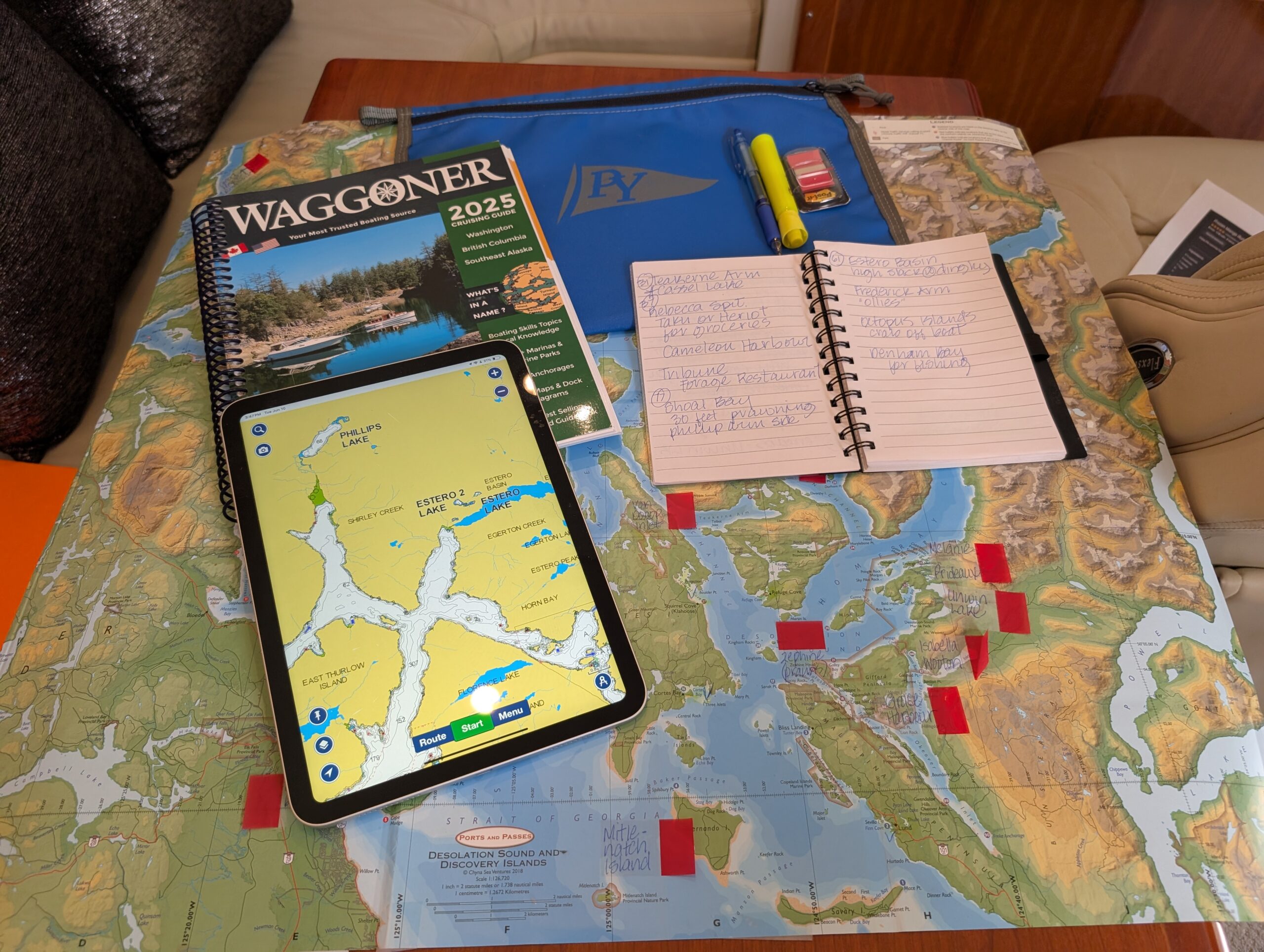
Winter boating may be magical, but it still calls for a little extra forethought. Before you cast off, file a float plan with family or friends. Where you’re going, when you expect to arrive, and when you’ll check in again. Cell coverage is good across much of the coast, but winter weather can change quickly, and your people will rest easier knowing your route. And if you’re staying at a dock, remember that power outages are common in storm season. Plan your provisioning as if you might lose shore power for a night or two: keep your batteries topped up, have a way to heat the cabin safely, and make sure you’ve got enough food, water, and warmth to stay comfortable until the lights come back on. Winter cruising rewards preparation, and this kind of planning turns a potentially stressful moment into a minor inconvenience wrapped in a warm blanket.
Pay special attention to:
- Weather windows and the marine forecast
- Battery health and chargers
- Fuel reserves
- Navigation gear
- Tides and currents
Why I Keep Coming Back to Winter Cruising
I keep coming back to winter boating because it strips life down to the parts that actually matter. Out here, away from the city noise and the aimless TV scrolling, I’m reminded how good it feels to let my mind settle. When a storm rolls through, I’m forced, in the best possible way, to slow down, pour a cup of something warm, and just be. The hikes are quieter, the air is sharper, and every snowy trail feels like a secret. And the Pacific Northwest in winter? It’s heartbreakingly beautiful. Moody, wild, serene. This coast has a way of resetting me, and winter is when it speaks the clearest.
Ready to Try Winter Cruising? Bundle Up.
If you’ve ever been curious about cold-season boating, this is your sign. Start small, plan well, dress warmly, and discover just how magical our coast is when everyone else is home complaining about the weather.