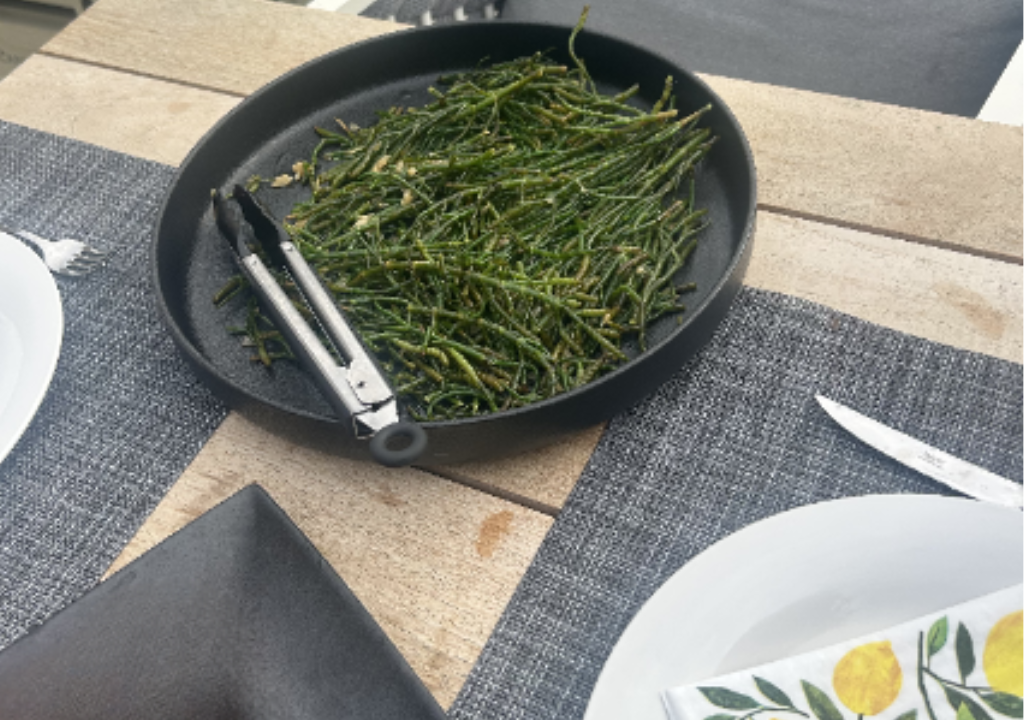
Shout out to my very gourmet friend, Leigh, for the great recommendation and the photo! A true taste of the Pacific Northwest shoreline.
There are certain treasures you stumble across on the coast of British Columbia that make you feel like Mother Nature herself is a gourmet chef. Sea asparagus—also called samphire, glasswort, or “salicornia” if you’re feeling fancy—is one of them. It looks a bit like a miniature succulent that somehow decided to dip its toes in the ocean. Bright green, salty, and delightfully crunchy, this humble shoreline plant has earned its way into fine dining menus from Tofino to Vancouver. The good news? You can forage it yourself, cook it, and serve it up as the ultimate nod to coastal living.
What Exactly Is Sea Asparagus?
Sea asparagus isn’t actually related to asparagus at all. Instead, it’s a salt-loving plant (a halophyte, if you want to win trivia night) that grows in tidal flats, salt marshes, and sandy shorelines. Picture skinny, jointed stems that look a little like tiny cacti—except instead of prickles, they’re tender and juicy. When the tide recedes, you’ll often spot it in clusters, carpeting the mudflats in vibrant green.
For those interested in trying your hand at Cooking Sea Asparagus, it’s a simple and rewarding process. Cooking Sea Asparagus can elevate your culinary adventures.
The taste? Think of it as the ocean’s green bean—crisp, briny, and fresh. It’s like the sea’s version of a pickle, only it grows that way naturally.
Where to Find It in British Columbia
In BC, sea asparagus grows abundantly along the coast from May through early August, when it’s at its tender best. Look for it in estuaries, tidal flats, and salt marshes—places where the ocean ebbs and flows and leaves behind salty soil. Some favourite spots:
- The marshy edges of estuaries around Comox and Courtenay
- Coastal inlets in Desolation Sound (yes, it’s not just good for anchoring, it’s good for snacking)
- Along the tidal shorelines of the Gulf Islands
The plant changes with the seasons: early spring brings delicate, crisp stems; by late summer, they get woodier and develop a reddish tinge, more decorative than delicious.
How to Harvest Sea Asparagus Safely
Like any good foraging adventure, harvesting comes with a few rules:
- Know your tides. You’ll only find sea asparagus at low tide. Bring rubber boots or be prepared to get muddy.
- Snip, don’t rip. Use scissors or pinch off the tender top few inches of the plant, leaving the base intact so it can regrow. Think of it like giving the plant a haircut, not a buzz cut.
- Avoid polluted areas. Don’t harvest near marinas, busy anchorages, or storm drains. These plants soak up whatever’s in the water, and you want clean, ocean-kissed greens—not antifreeze garnish.
- Forage lightly. Take only what you’ll eat. A handful or two is usually plenty.
A good rinse in fresh water back on the boat (or at home) will wash away sand, mud, and any tiny hitchhikers.
Health Benefits of Sea Asparagus
This little salty spear isn’t just tasty—it’s surprisingly good for you:
- Packed with minerals: It’s loaded with magnesium, potassium, calcium, and iron.
- Rich in vitamins: Especially vitamin A and C, which help boost immunity and support healthy skin.
- High in antioxidants: Which fight inflammation and support overall wellness.
- A natural electrolyte: Thanks to its salty nature, it’s like the ocean’s version of a Gatorade shot.
That said, sea asparagus is naturally salty—no need to add more salt when cooking. Your taste buds (and blood pressure) will thank you.
How to Cook Sea Asparagus
Here’s the fun part: sea asparagus is as low-maintenance as it gets.
- Quick blanch. Drop it in boiling water for 30 seconds, then plunge it into ice water. This tames the saltiness and brightens the green.
- Sauté. A quick toss in olive oil or butter with a squeeze of lemon is classic. Garlic optional, wine splash recommended.
- Steam. Treat it like green beans—just don’t overcook or you’ll lose the crunch.
- Raw. Toss a few sprigs into a salad for a briny pop.
It’s the definition of “easy gourmet.”
What to Serve It With
Sea asparagus is the kind of ingredient that elevates a dish from “nice” to “oh wow, where did you learn to cook like this?” Here are a few pairings to try onboard:
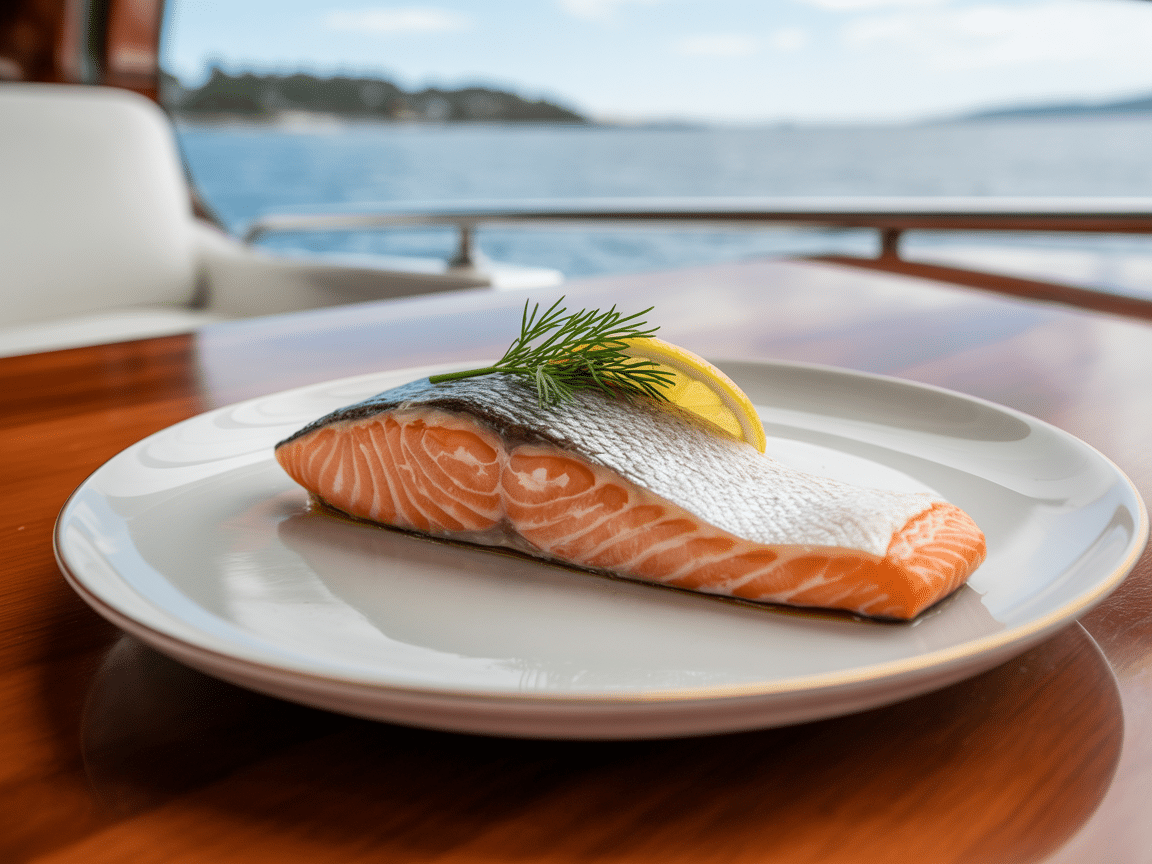
- Seafood everything. Toss it next to grilled salmon, halibut, or prawns—it’s like serving the ocean with the ocean.
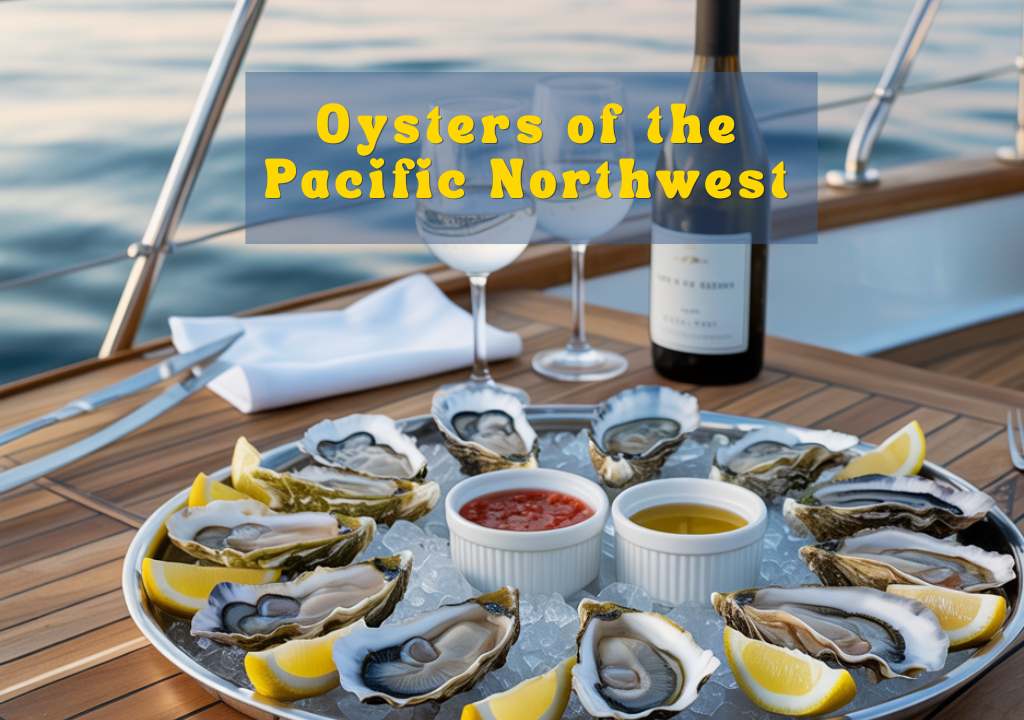
- Oysters and clams. Lay a few sprigs on a raw oyster platter for a coastal garnish.
- Eggs. Stir into scrambled eggs or omelets for a salty kick.
- Pasta. Mix into a lemony linguine with spot prawns. The crunch is divine.
- Cocktails. Believe it or not, you can use a sprig as a salty garnish in a Caesar or martini. Move over, celery stick.
And yes, if you’re serving Champagne onboard (which I hope you are), sea asparagus makes the most stylish little side nibble.
A Final Word from the Galley
Cooking sea asparagus feels like bringing a piece of the shoreline to your table. It’s salty, sassy, and impossibly chic—very much in line with West Coast Nautical Elegance. Plus, it’s a reminder that the ocean doesn’t just give us scenery and seafood; it gives us greens, too. Next time you’re out exploring at low tide, take a little wander through the marsh and keep your eyes peeled for these salty succulents. Just remember: snip thoughtfully, rinse well, and pair with good friends, fresh seafood, and maybe a cold glass of Sauvignon Blanc.
If you are interested in reading more about foraging, check out these books:
Top Book Picks for Foraging in British Columbia
1. Wild Harvest: A Forager’s Guide to Edible Plants of British Columbia by Linda Gabris
This gem is a charming and practical guide, weaving together scientific field identification with over 70 delicious recipes—from Wild Cream of Asparagus Soup to Hazel’s Hazelnut Brittle. Perfect for turning foraged finds into hearty, creative meals.
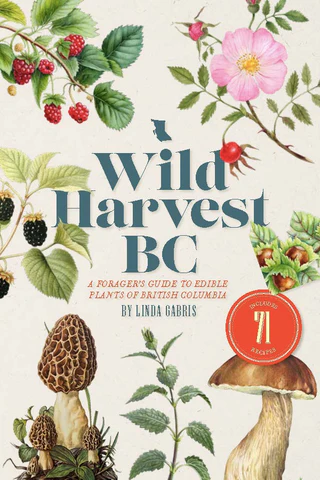
Available at the OP Media Group Website, MSRP $25
2. Pacific Northwest Foraging by Douglas Deur
A widely recommended staple for plant foraging in our neck of the woods. It’s easy to reference and trusted by locals.
The Pacific Northwest provides a veritable feast for foragers, and with Douglas Deur as your trusted guide you'll earn how to safely find and identify an abundance of delicious wild plants.

3. Plants of Coastal British Columbia by Pojar & MacKinnon
A recognized classic field handbook for plant identification—especially helpful for BC’s coastal flora. Highly detailed, and beloved by both foragers and naturalists alike.
This classic, bestselling field guide features 794 species of plants commonly found along the Pacific coast from Oregon to Alaska, including trees, shrubs, wildflowers, aquatic plants, grasses, ferns, mosses and lichens.

4. The Coastal Forager’s Cookbook by Robin Kort
A newer favourite that combines seasonal foraging guidance with prepared recipes geared toward coastal ingredients—great for food-focused exploration.
Long-time West Coast forager and the chef behind the popular Swallow Tail Supper Club, Robin Kort’s approach to cooking is a blend of simplicity and experimentation. Showcasing foraged ingredients like wild mushrooms, seaweed, fish and molluscs, flowers and evergreen tips.

5. Food Plants of Coastal First Peoples by Nancy J. Turner
While not strictly a modern foraging guide, this deeply researched ethnobotanical work sheds light on the traditional uses of BC plants by Indigenous communities—adding rich cultural context—and is well worth reading.
In Food Plants of Coastal First Peoples, renowned ethnobotanist Nancy J. Turner describes over 100 plants that were traditionally harvested and eaten by coastal Aboriginal groups. Each description contains botanical details and a colour photograph to help identify the plant, information on where to find it, and a discussion on traditional methods of harvesting and preparation.