There is something about oysters and the Pacific Northwest that feels inevitable. Cold water, long coastlines, misty mornings, and that particular briny perfume that hits you when the tide drops. If you boat anywhere along coastal British Columbia and Washington State, you’ve likely drifted past a tidy row of oyster trays or spotted shell middens tucked into a quiet cove.
And if you time it right? They’re perfection.
When Is Oyster Season in British Columbia and Washington State?
Oyster season in British Columbia peaks during the colder months, typically October through May. You’ve probably heard of the “R” month rule (September to April), and while modern aquaculture makes oysters available year-round, the old wisdom still holds up remarkably well.
The best oysters, the firmest, cleanest, most beautifully structured, are harvested in late fall, winter, and early spring, when the water is cold.
Cold water does three magical things:
- Slows oyster metabolism
- Prevents spawning
- Concentrates flavour and texture
In early winter and spring, especially, oysters are plump and meaty, with that crisp snap that makes you close your eyes for a second. Summer oysters? Still perfectly edible thanks to responsible farming, but they tend to spawn in warmer water. That makes them softer and creamier; some people love that texture, others prefer the tight, briny structure of winter shells.
British Columbia Oyster Varieties to Know
British Columbia produces some of the most sought-after oysters in North America. Here are four you’ll see regularly on menus and at seafood counters:
🦪 Fanny Bay Oyster
Named after the Vancouver Island community, these are deeply briny with a crisp finish and a mineral edge. They taste like standing on a rocky shoreline in a wool coat. Classic. Reliable. West Coast through and through.
🦪 Kusshi Oyster
Small, deeply cupped, and beautifully balanced. They’re sweet with a clean finish and an elegant presentation. If oysters wore tailored jackets, this would be the one.
🦪 Royal Miyagi Oyster
Slightly sweet, lightly briny, and approachable. These are crowd-pleasers, ideal for introducing someone to their first raw oyster experience.
🦪 Kumamoto Oyster
Tiny, deep cups with a creamy sweetness and melon-like finish. Refined and delicate. These are the ones you serve when the champagne is already open.
Washington State Oyster Varieties to Know
Here are the top 3 oyster varieties you’ll encounter in Washington state, the ones that locals and oyster lovers most often talk about:
🦪 Pacific Oyster
This is by far the most common oyster in Washington; about 98 % of oyster aquaculture in the state is Pacific oysters. They’re adaptable and reflect their “merroir” (like terroir for wine), meaning they taste different from Hood Canal to Puget Sound based on water salinity and nutrients. Flavours can range from briny and melon-fresh to sweet and cucumber-like, depending on where they were grown.
🦪 Olympia Oyster
The only native oyster to Washington’s waters, the Olympia is a tiny, historic shellfish with a bold, briny, coppery flavour. Once nearly wiped out by overharvesting, it’s now being carefully restored and cultivated in pockets of Puget Sound. You won’t find big, plump Olympias like Pacifics, but their distinctive character makes them a Pacific Northwest favourite.
🦪 Kumamoto Oyster
Small, deep-cupped, and sweet, Kumamotos (originally from Japan but now grown locally) are beloved for being easygoing on the palate. They’re less briny than some Pacific varieties and have a gentle sweetness with hints of melon or fruit, perfect for folks newer to raw oysters or anyone who likes a more delicate profile.
I would be remiss not to mention a pillar of the Washington oyster community:
🦪Taylor Shellfish Farms
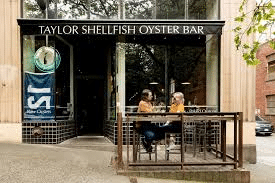
After the Seattle Boat Show, I had the opportunity to visit their restaurant, with super knowledgeable staff and fabulous oysters. The Taylor family has been farming shellfish in Washington since the late 1800s, working tidal flats the way generations before them did. Their farms stretch across some of the most productive inlets in the state, where Pacific oysters, Kumamotos, and the tiny native Olympia grow slowly in nutrient-rich waters. There’s something deeply Pacific Northwest about their approach, a blend of science, stewardship, and old-fashioned patience.
How to Harvest Oysters in BC
Harvesting oysters can feel romantic, wading at low tide with a bucket and boots, but it requires knowledge and care.
1. Check Regulations First
Always confirm harvesting areas are open. Closures due to red tide (harmful algal blooms) or contamination can happen quickly. Check current BC and WA fisheries regulations before you go.
2. Know Your Limits
There are daily limits for recreational harvesters. Respect them. Sustainable harvesting is why we still have thriving oyster beds.
3. Choose Tightly Closed Shells
Only collect oysters with firmly closed shells. If slightly open, tap them; they should snap shut. If they don’t, leave them behind. Never harvest cracked shells. Bacteria enter through damage.
4. Keep Them Cold
Store oysters cup-side down in a breathable container. Never in fresh water. And never in an airtight plastic bag. Think cool, shaded, and gently treated.
And yes, if you’re boating and harvesting clams nearby, let them purge overnight in a net over the side (where regulations allow). Oysters don’t require purging the same way, but clean handling always matters.
How to Shuck (Not Chuck) an Oyster
Shucking is less brute force, more finesse.
You’ll need:
- A proper oyster knife
- A thick towel or glove
- A steady surface
Step 1: Protect Your Hand
Fold the towel over the oyster and grip it firmly, cup side down, hinge facing you.
Step 2: Find the Hinge
Insert the tip of the oyster knife into the hinge. Twist gently, you’re not stabbing, you’re persuading.
Step 3: Twist and Slide
Once the hinge pops, slide the knife along the top shell to sever the adductor muscle. Remove the top shell carefully.
Step 4: Release the Bottom
Run the knife under the oyster to detach it from the bottom shell while keeping all that beautiful liquor intact.
The goal is a clean shell, intact oyster, and no shell fragments. If it looks like you fought it in a dark alley, keep practising.
A must-have for oyster lovers on the West Coast. The kit includes a wooden clamp, but some prefer using it, while others just use their hands. The choice is yours. Tomato. Tomatoe.

Shuck like a pro without the battle wounds! This oyster opener set takes the struggle out of shellfish with an adjustable aluminum base, a solid stainless steel pry stick, and cut-resistant gloves—so the only thing getting cracked is the oyster, not your knuckles. 🦪💪⚓

Serving Oysters Onboard
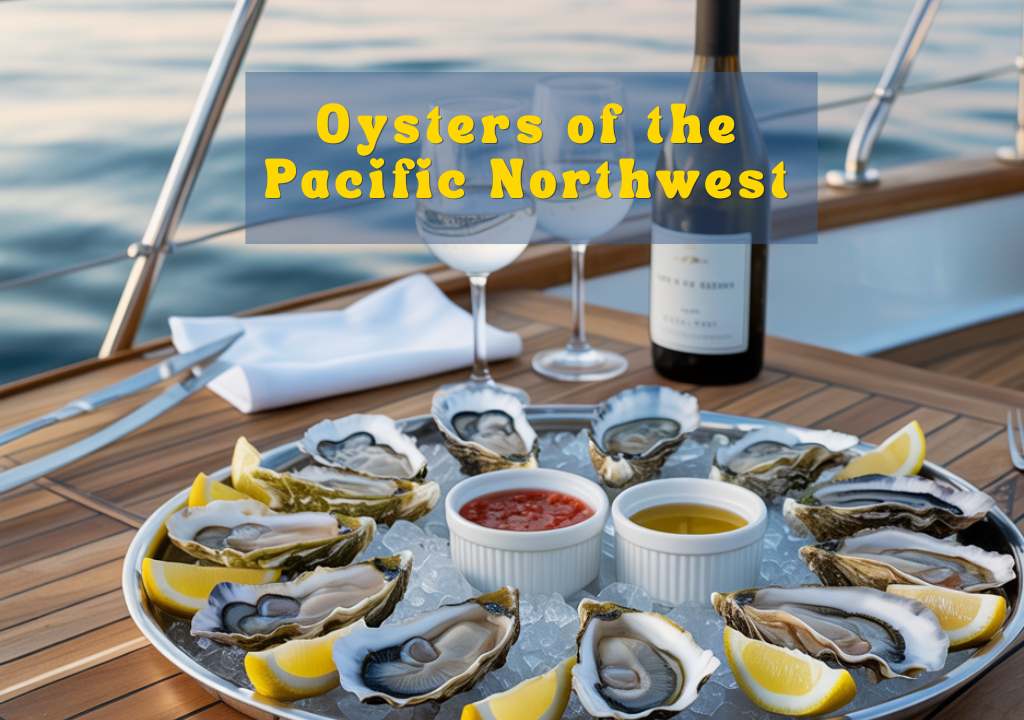
Oysters on a boat feel like a small act of luxury, minimal prep, maximum elegance.
Serve them:
- On crushed ice
- With lemon wedges
- A simple shallot mignonette
- Fresh cracked pepper
Or go full Pacific Northwest and add a splash of local sparkling wine.
There’s something about standing on the aft deck in a knit sweater, shucking oysters as the light fades early in winter, that feels completely aligned with this coast. No fuss. Just cold air, clean shells, and that first briny bite.
The colder the water, the better the oyster. And in the Pacific Northwest, we are blessed with very, very good water.
If you’re cruising between October and May, consider this your sign.
Bring the knife.