Plant-based is one of those words you hear so often that it almost stops meaning anything. And like most buzzy food terms, it tends to arrive with a side of judgment and an assumption that you’ve sworn off meat forever. Not the case.
Let me be clear right up front: I don’t refer to myself as a vegan or a vegetarian. I eat seafood, the odd egg, and yes, cheese. But I’m also someone who thinks a lot about how what we eat fits into a bigger picture: sustainability, simplicity, and how we feel day-to-day on the water. And, at the end of the day, I am an animal lover. Dogs, horses, cows, chickens. I love all of them.
I thought I would share some insights and lessons learned from my journey, because most of my meals do not include meat. It may even convince you to make some subtle changes for 2026! So if you have ever wondered, “Can I still be ‘plant-based’ without making life onboard harder?“ Short answer: yes. Very much yes.
This principle is not just about health; it’s about making choices that enhance our lives. Ultimately, the question of why eating more plants makes life on boats easier warrants exploration.
Plant-based eating works with limited space instead of against it. Pantry staples like grains, lentils, beans, nuts, seeds, pasta, rice, canned tomatoes, and plant-based sauces last weeks (or months) without stress. No “use this first” panic, no mystery packages buried in the freezer. Meat demands prime real estate in the fridge and freezer. Plants are far more forgiving; many vegetables, root crops, and pantry staples are happy in cool lockers or baskets, freeing up cold space for the things that truly need it.
Plant-based meals share core components. One bag of lentils can become soup, salad protein, tacos, or a side dish. This overlap means shorter shopping lists and fewer forgotten items. No raw meat handling means easier prep, fewer dishes, and less galley cleanup, always a win in a small space. Along with less waste. Vegetables can be used incrementally, grains cooked in batches, and leftovers repurposed easily, resulting in far less spoilage than meat-centric provisioning.
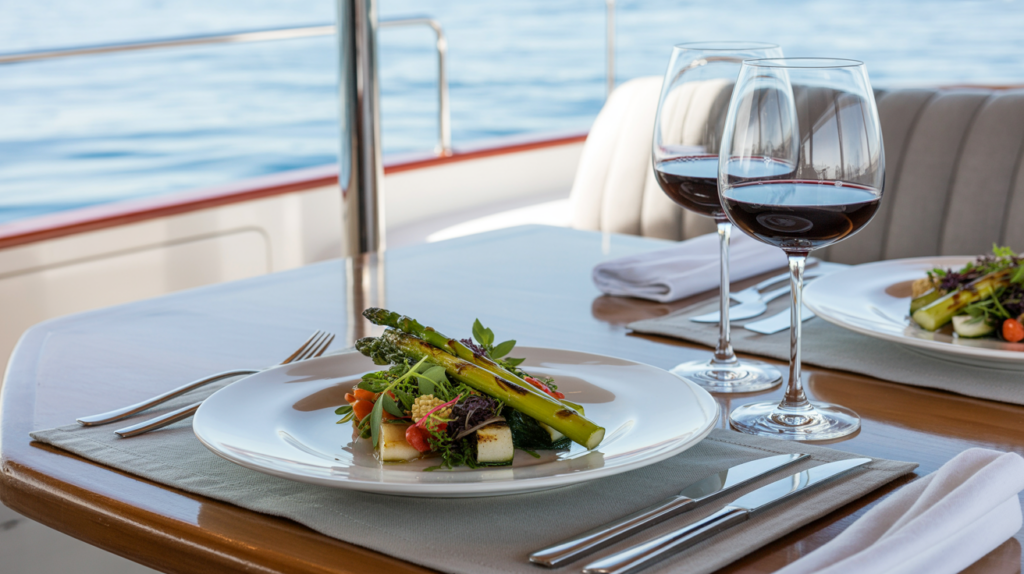
What “Plant-Based” Actually Means (and Why It Works Onboard)
According to the Cambridge Dictionary, plant-based means consisting of or made entirely of plants, or mainly of plants. That “mainly” is doing a lot of helpful work here.
Most of my meals already revolve around:
- vegetables
- grains
- legumes
- nuts and seeds
- fruit
…and potato chips (let’s be reasonable)
I still eat animal products occasionally, but plants are the foundation. Which means, by definition, I’m already plant-based. And honestly? That approach fits beautifully with boating life.
A plant-forward diet is:
- usually easier to provision
- easier to store
- lighter on the fridge and freezer
- kinder to the environment
Eating more plants makes boat life easier in very practical, very noticeable ways: vegetables last longer than fresh meat in a small fridge, beans and grains store safely without constant refrigeration, plant-based meals reduce provisioning stress because ingredients overlap, cleanup is faster with fewer greasy pans, odours stay neutral, energy levels stay steadier without heavy meals, meal planning simplifies because plants are endlessly flexible, waste is easier to manage with less packaging and spoilage, environmental impact drops without sacrificing satisfaction, and perhaps most importantly, you spend less time thinking about food and more time enjoying where you are. Which, in the end, is the whole point of being on a boat.
From a health perspective, vegetables are naturally high in fibre, antioxidants, and micronutrients that support digestion, heart health, and long-term energy, without the saturated fat load common in many meat-heavy meals. Eating more plants also reduces inflammation and supports overall wellness, which matters when you want to feel good, sleep well, and stay active on the water.
How to Start Being More Plant-Based on a Boat
If your current diet leans heavily toward animal products, don’t think you have to overhaul everything overnight.
Start small:
- Try one meat-free day a week (Meatless Monday works just as well at anchor)
- Build up to 2–3 plant-based days
- Eventually, you may find that this becomes your default onboard rhythm
On a boat, consistency beats perfection every time. You’re not trying to win a prize, you’re trying to make meals easier and more enjoyable.
Protein, B12, and Iron: Let’s Clear This Up
This is usually where the dockside debates begin.
Will I get enough protein?
Yes. Protein is made up of amino acids, and many plant foods are complete proteins, meaning they contain all nine essential amino acids.
Excellent plant-based protein sources include:
- quinoa, buckwheat, amaranth
- chickpeas, lentils, edamame
- tofu and tempeh
- pumpkin seeds, hemp seeds, chia seeds
- nuts and nut butters
- nutritional yeast
Vegetables with higher protein:
- broccoli
- spinach
- asparagus
- artichokes (a Missy favourite)
- brussels sprouts
(Tip: choose organic, non-GMO soy products whenever possible.)
Pure Protein bars are an easy, boat-friendly substitution when you want reliable nutrition without galley prep, compact, shelf-stable, and simple to stash onboard. With solid protein and minimal mess, they’re perfect for mornings, shore excursions, or those in-between moments when you’d rather be boating than cooking.

What about B12 and iron?
- Plants don’t produce vitamin B12. Plant-based boaters often use fortified foods or supplements. Nutritional yeast flakes are a popular option.
- Iron is abundant in dried beans and dark leafy greens. Pair iron-rich foods with vitamin C (think lemon, peppers, citrus) to improve absorption.
For most recreational boaters, eating a varied diet makes these needs very manageable.
Plant-Based Alternatives That Actually Work Onboard
I’m not interested in replacing one complicated system with another. These are the plant-based swaps I actually use on a boat:
Milk alternatives
- Almond
- Oat
- Cashew
- Coconut
- Soy (not a huge fan)
- Hemp, rice, hazelnut (Frangelico), macadamia, spelt
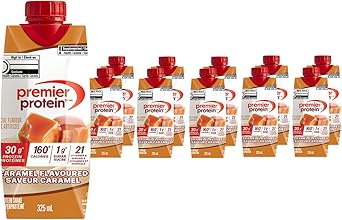
- For my coffee and lattes, I use a Premier Protein Shake
Each has pros and cons:
- Almond: tastes great, but water-intensive and doesn’t froth well
- Oat: creamy and frothy, and more sustainable
- Cashew: rich texture, but higher mould risk
- Coconut: indulgent, strong flavour, higher saturated fat
- Soy: low environmental impact, but phytoestrogens can affect some people
Pick what works for your body and your galley.
Premier Protein shakes are a convenient, boat-friendly substitute for milk. No refrigeration needed until opened, and zero prep required. They’re smooth, versatile, and perfect for coffee, smoothies, or a quick protein boost when galley space and time are limited.
Eggs & texture swaps
- Flaxmeal + water (“flegg”)
- Chia seeds + water
- Applesauce or mashed banana
- Arrowroot or tapioca starch
What about an egg alternative for cocktails?
Give your docktails a gorgeous, bar-quality foam without cracking an egg. Fee Foam is the vegan-friendly cocktail upgrade that’s clean, easy, and perfect for bar life afloat.

Meat-like textures
- mushrooms
- lentils
- jackfruit
- tofu or tempeh
Yogurt & cheese
- Coconut, soy, or almond yogurts (Yoso is a popular option)
- Homemade “cheese” using coconut milk, nutritional yeast, and spices (I’m not there yet, but I keep trying).
Environmental Impact: Why This Matters
According to a major Oxford study published in Science, meat and animal products account for more than half of food-related greenhouse gas emissions, with beef and lamb having the largest impact.
The study found that reducing meat and dairy consumption could lower an individual’s carbon footprint by up to two-thirds. For those of us who love the coast and rely on clean water and healthy ecosystems, this matters. Eating more plant-based foods is one small way to align our eating with why we boat in the first place.
Being Plant-Based, the Boater’s Way
Here’s the part I really care about:
This doesn’t have to be all or nothing. Being plant-based on a boat isn’t about purity. It’s about:
- curiosity
- reducing impact
- simplifying meals
- feeling better physically and mentally
Try things. Keep what works. Leave the rest. Boat life already teaches us this lesson: flexibility is everything.
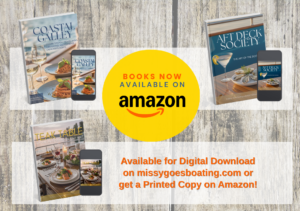
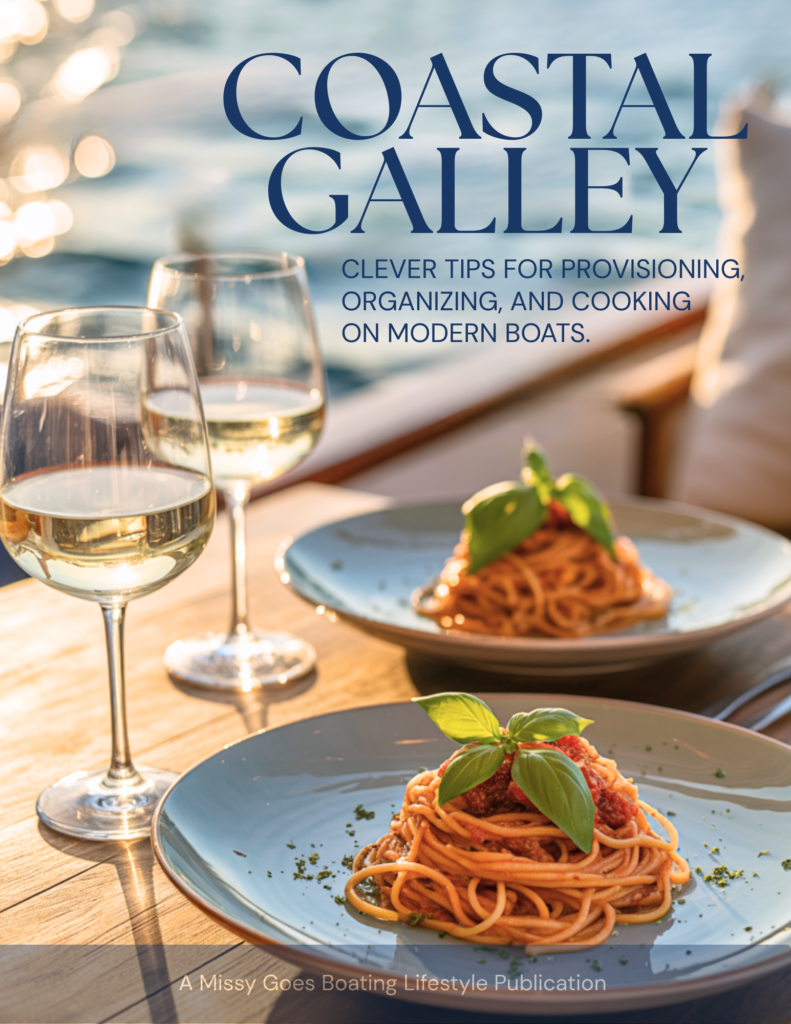
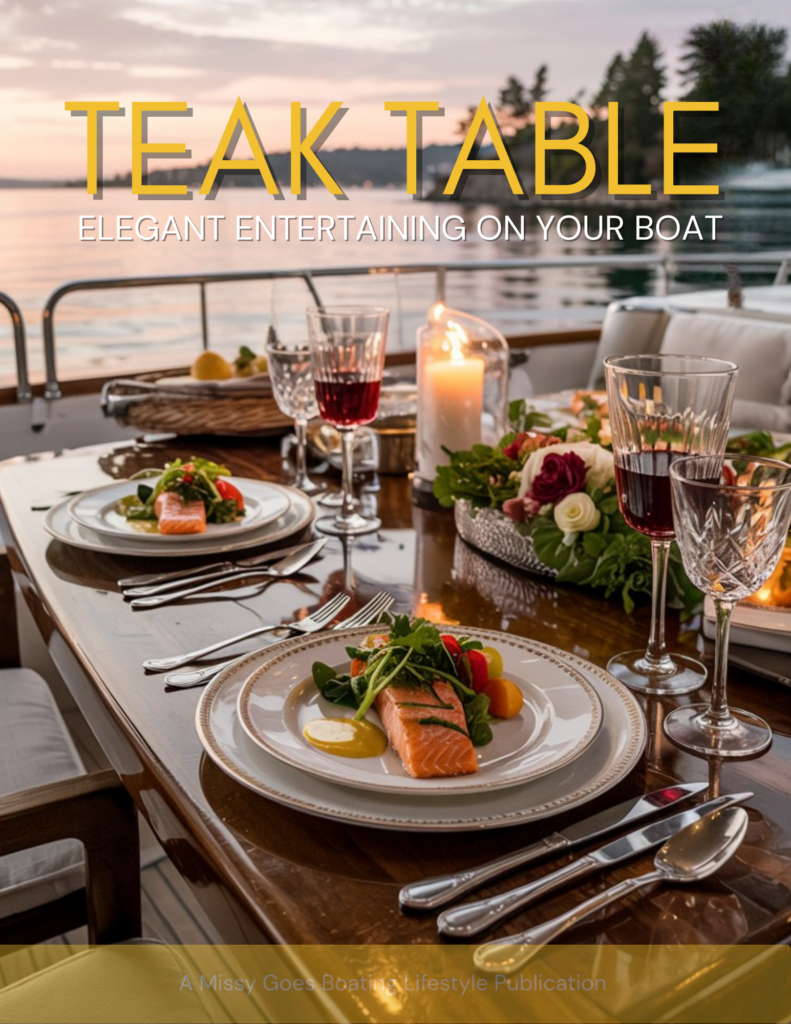
If you’d like more ideas on simplifying life onboard, and some great recipes, take a look at my newest e-books:
Final Thought
You don’t need a new identity to eat more plants. You need a little intention. If becoming more plant-based makes provisioning easier, meals lighter, and your time onboard more enjoyable, that’s a win. One vegie at a time!
Bon Appétit!